Marketing Automation in 2026: What It Is, How It Works, and How to Scale Your Business
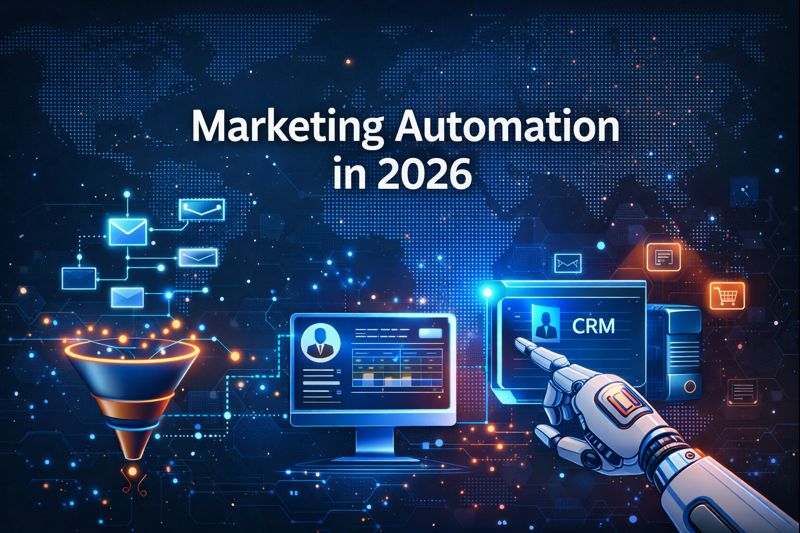
As businesses look to streamline operations and increase revenue in 2026, marketing automation has become a core growth strategy. Companies that automate lead nurturing, follow-ups, and customer communication are outperforming those still relying on manual processes.
Platforms like ActiveCampaign lead this evolution by combining email marketing, CRM, and automation workflows into a single, scalable solution—helping businesses grow without adding operational complexity.
What Is Marketing Automation?
Marketing automation refers to the use of software to automate repetitive marketing tasks while delivering personalized experiences at scale. In 2026, it goes far beyond scheduled email campaigns.
Modern marketing automation systems dynamically react to user behavior, engagement levels, and data signals—triggering personalized messages, segmenting audiences automatically, and aligning marketing and sales teams through integrated CRM data.
Businesses use marketing automation to:
- Nurture leads over time
- Increase conversion rates
- Improve customer retention
- Create consistent, personalized journeys across channels
How Marketing Automation Works in Practice
At its core, marketing automation connects data, behavior, and action.
When a lead interacts with your website, emails, or products, the platform records that behavior and triggers automated workflows—such as follow-up emails, CRM updates, or sales notifications.
For example:
- A visitor downloads a guide → enters a lead nurturing sequence
- A prospect clicks a pricing page → sales is notified automatically
- A customer becomes inactive → a re-engagement campaign is triggered
This level of automation allows teams to scale without losing personalization.
Key Features of Modern Marketing Automation Platforms
In 2026, high-performing marketing automation platforms share a common set of capabilities:
Multi-Channel Campaign Management
Manage email, SMS, chat, and other communication channels from a single platform to ensure consistent messaging across all touchpoints.
Advanced Segmentation and Personalization
Segment contacts automatically based on behavior, demographics, and engagement—delivering relevant content that increases conversions.
CRM Integration
Tight CRM integration ensures sales and marketing teams work from the same data, enabling smarter follow-ups and better pipeline visibility.
Automation Workflows
Visual, drag-and-drop workflow builders make it easy to create complex automations like lead nurturing, onboarding, cart recovery, and post-sale follow-ups.
Analytics and Reporting
Built-in analytics provide insight into performance, customer behavior, and ROI—allowing continuous optimization.
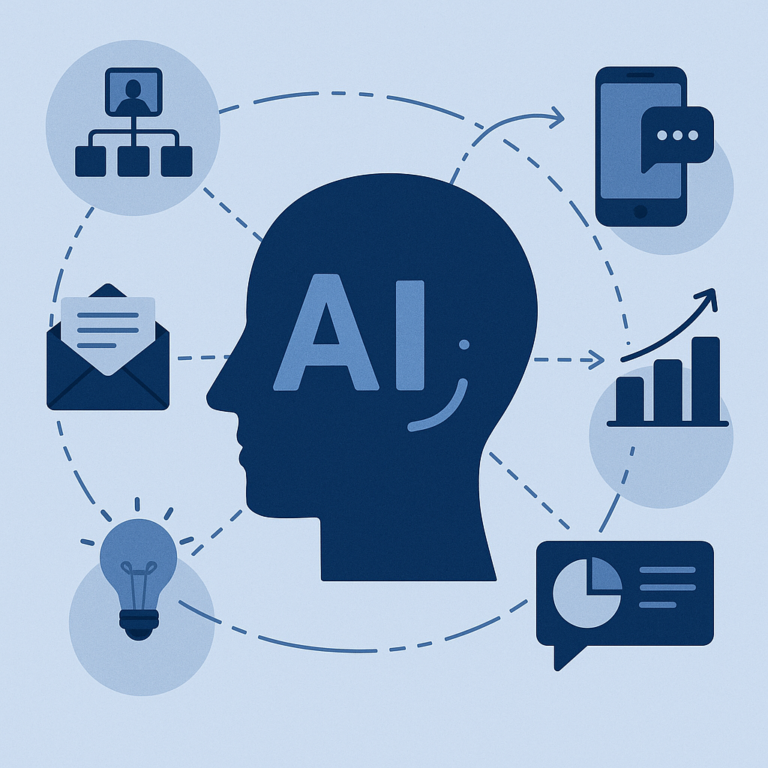
AI-Powered Optimization
AI helps predict behavior, optimize send times, and personalize content at scale.
How ActiveCampaign Powers Business Growth with Marketing Automation
Among today’s leading marketing automation platforms, ActiveCampaign stands out for businesses that want a unified system combining automation, email marketing, and CRM.
Companies use ActiveCampaign to:
- Automate lead nurturing and qualification
- Align sales and marketing with shared CRM data
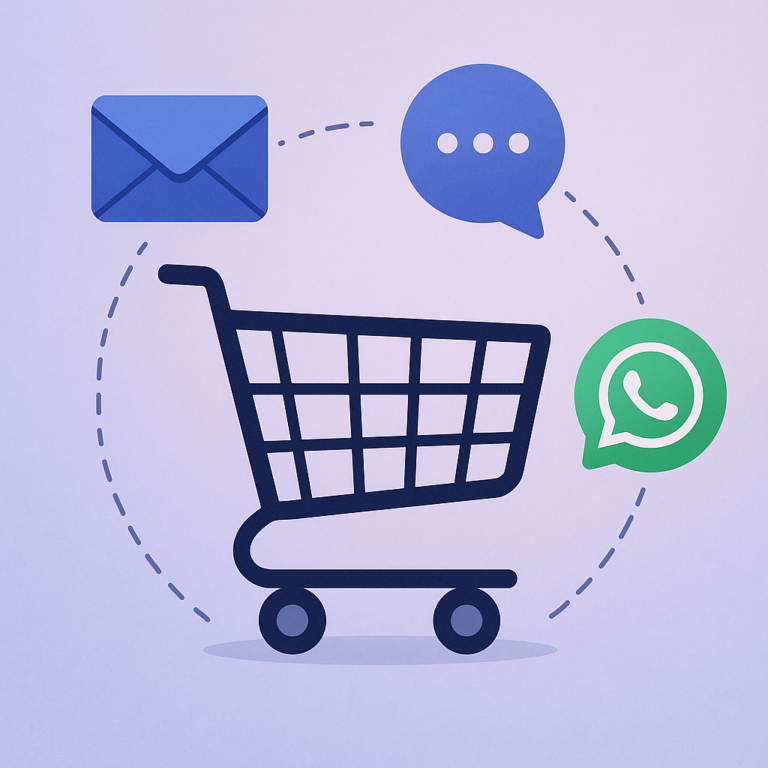
- Recover abandoned carts and lost opportunities
- Onboard new customers automatically
- Re-engage inactive leads and customers
For example, a SaaS company might use ActiveCampaign to automatically onboard new users, trigger personalized follow-ups based on feature usage, and alert sales when a lead is ready to convert—all from one platform.
When Does Marketing Automation Make Sense for Your Business?
Marketing automation is especially valuable if your business:
- Generates leads consistently
- Relies on follow-ups to close sales
- Has long or complex buying cycles
- Wants to scale without increasing headcount
If leads are slipping through the cracks or follow-ups depend on manual effort, automation quickly pays for itself.
Common Marketing Automation Mistakes to Avoid
- Automating without a clear strategy
- Overloading leads with generic messages
- Ignoring CRM data and sales alignment
- Treating automation as “set and forget”
- Not measuring performance and optimizing
Successful automation focuses on relevance, timing, and customer experience.
Future Trends in Marketing Automation
Looking ahead, marketing automation continues to evolve rapidly:
- Hyper-personalization driven by AI
- Deeper integration with customer data platforms
- Automation across customer service and support
- Increased focus on privacy and compliance
- Real-time, behavior-based personalization
Businesses that adapt early will gain a competitive advantage.
Conclusion
In 2026, marketing automation is no longer optional—it is essential for sustainable growth. Platforms like ActiveCampaign empower businesses to automate intelligently, personalize at scale, and align marketing with sales through a unified system.
If your company already attracts leads but struggles with conversions, follow-ups, or scalability, adopting a robust marketing automation platform can be the turning point between stagnant growth and predictable revenue.